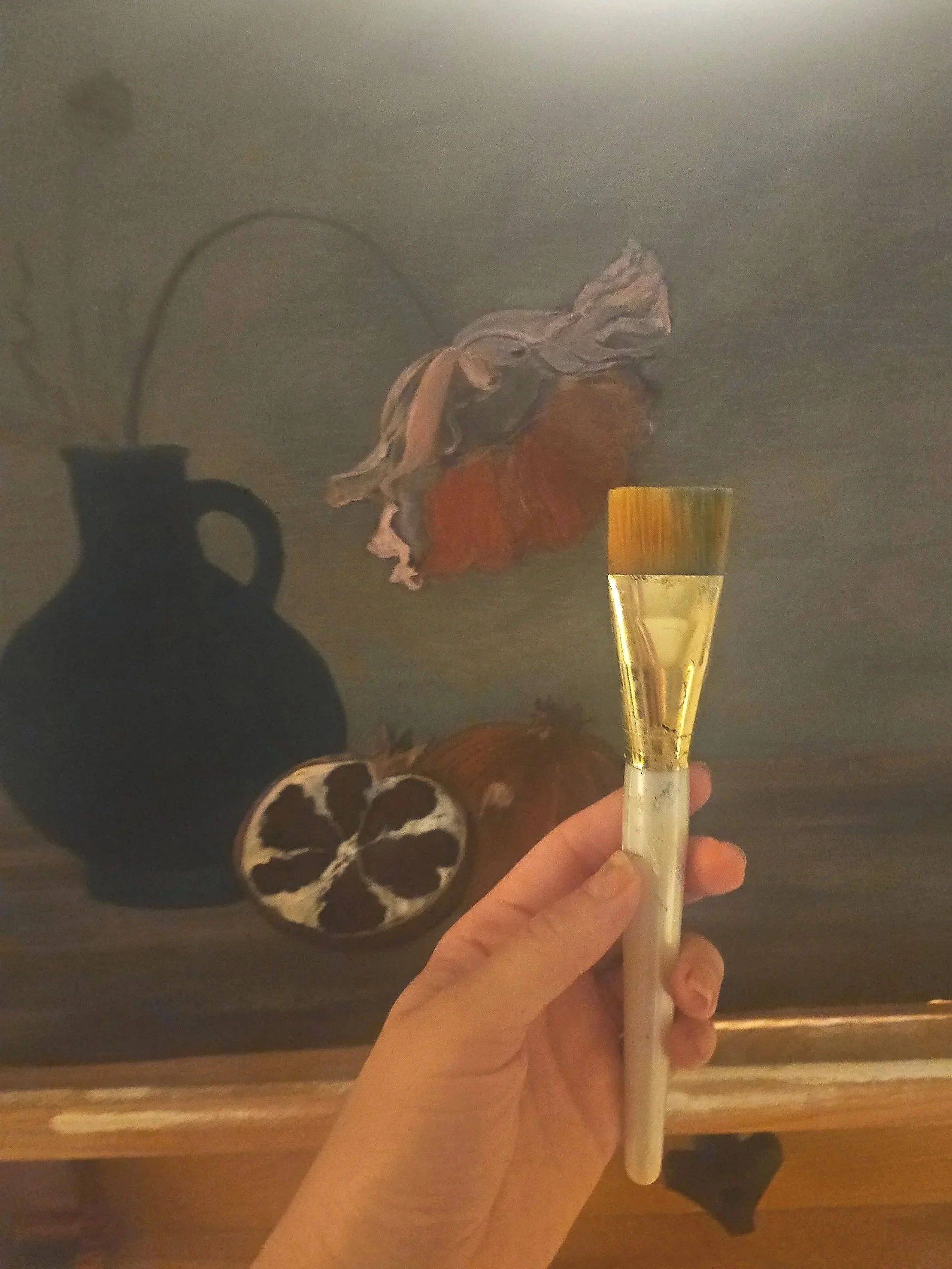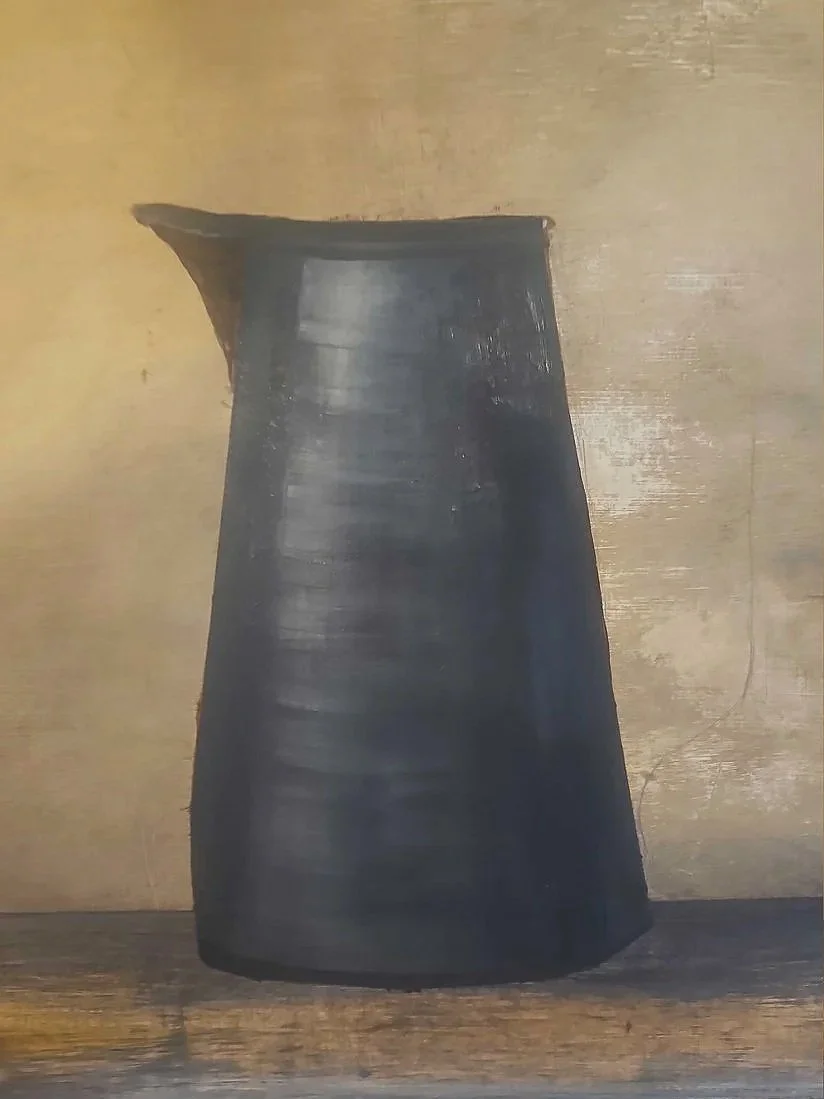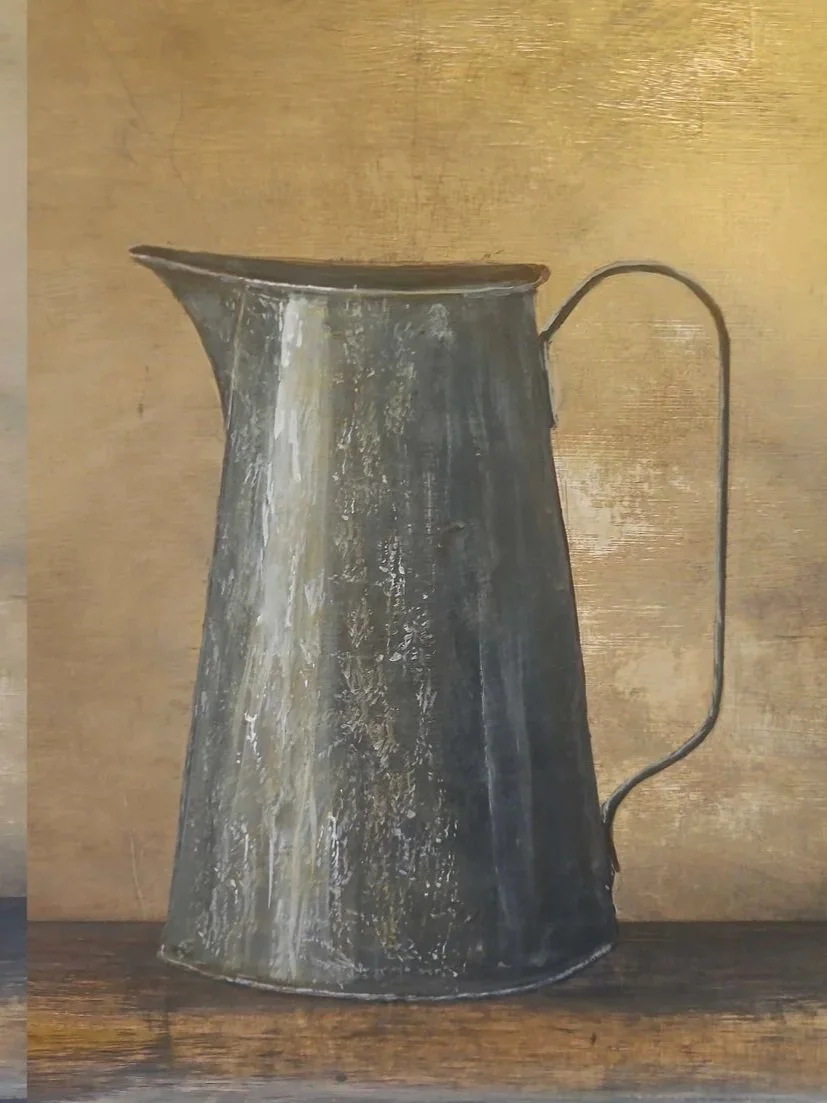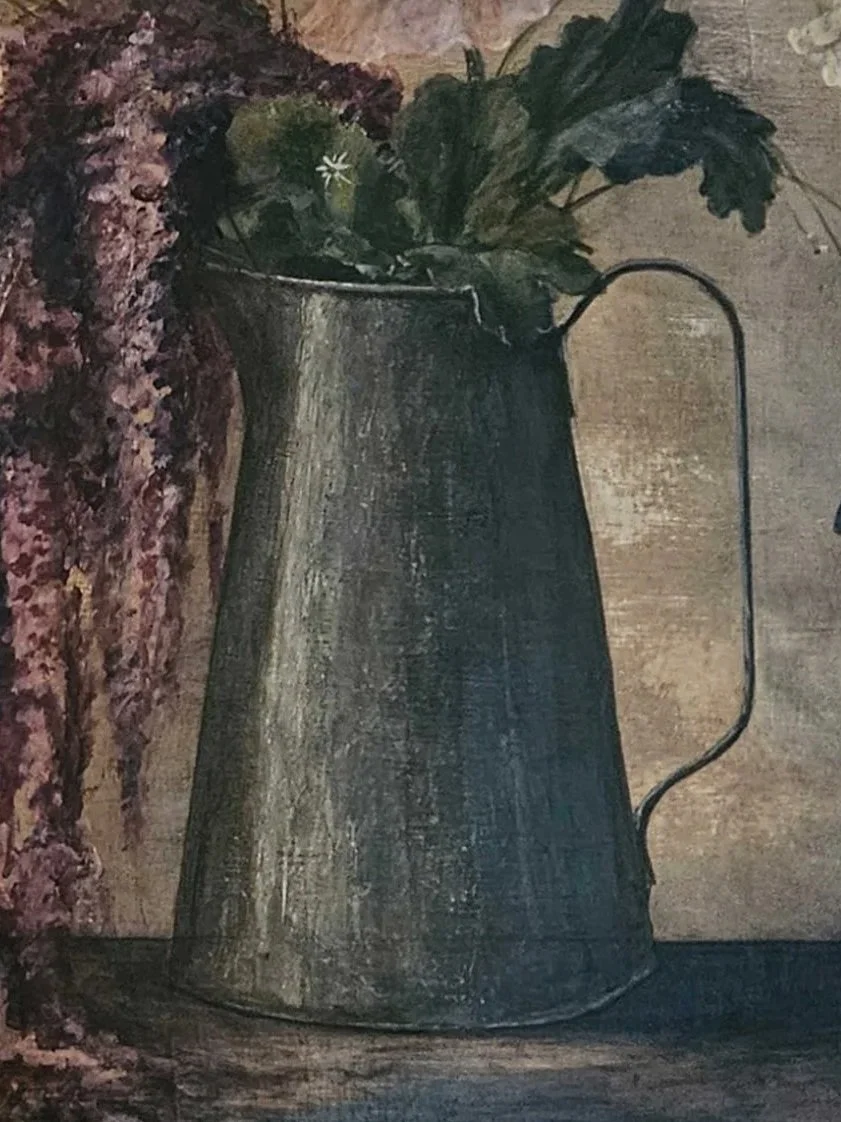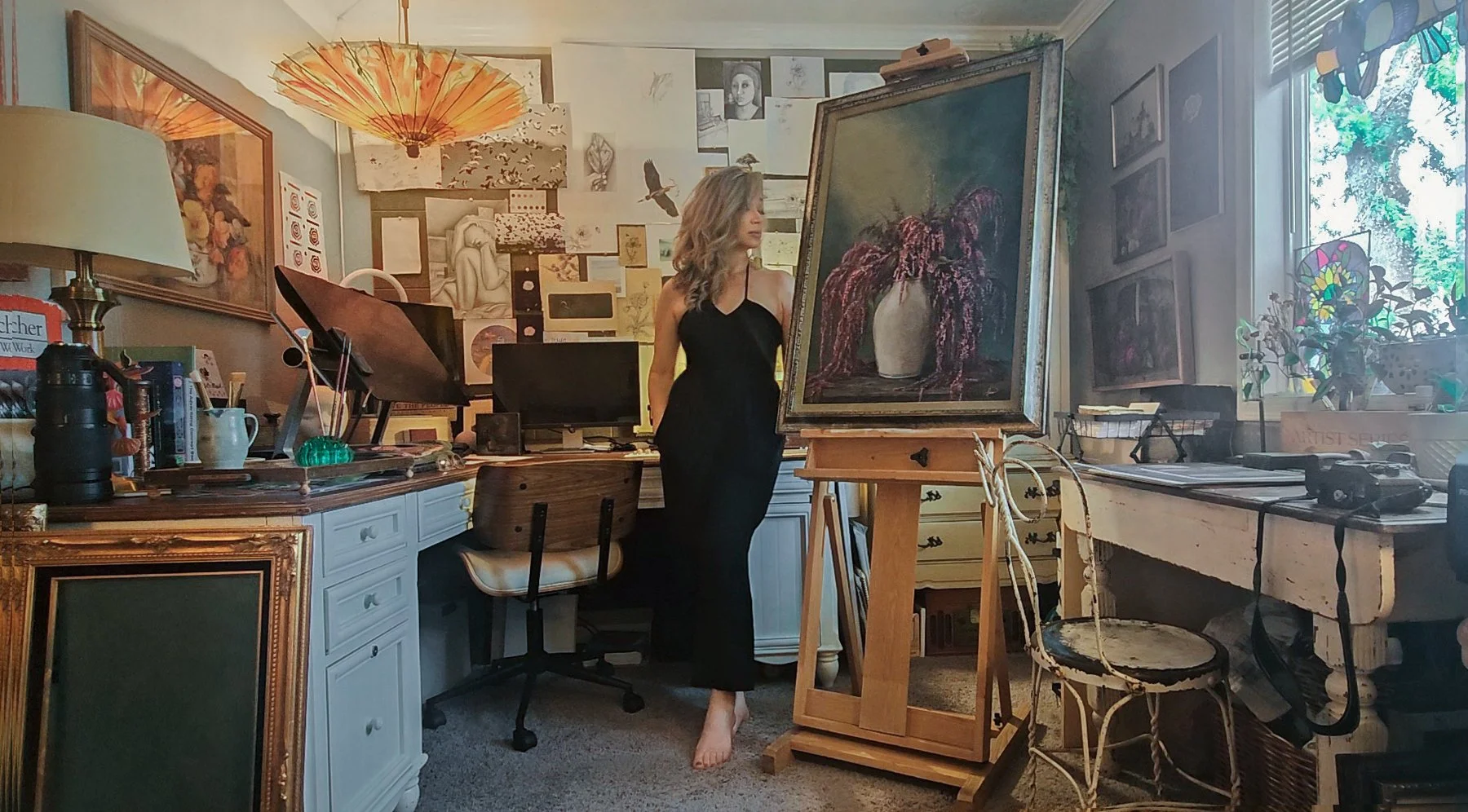
In the “studio”
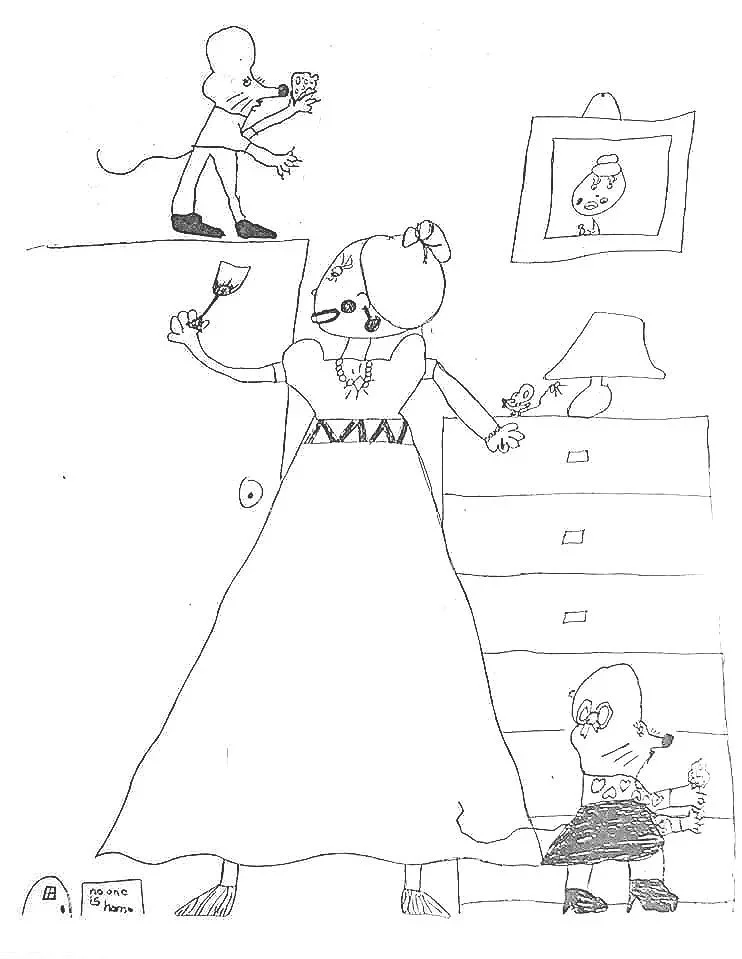
Long before I pursued photography, graphic design, or my career in the medical field, I was drawing, painting, and creating in every way imaginable. As the years passed, that impulse flowed primarily into photography and design work.
Then illness stripped life to its essentials. Despite the state I was in, I reached for paper, ink, pigment. I returned to the practice of making by hand, getting off screens. It reminded me that making art was never a hobby; it was how I made sense of the world. It was my lifeline.
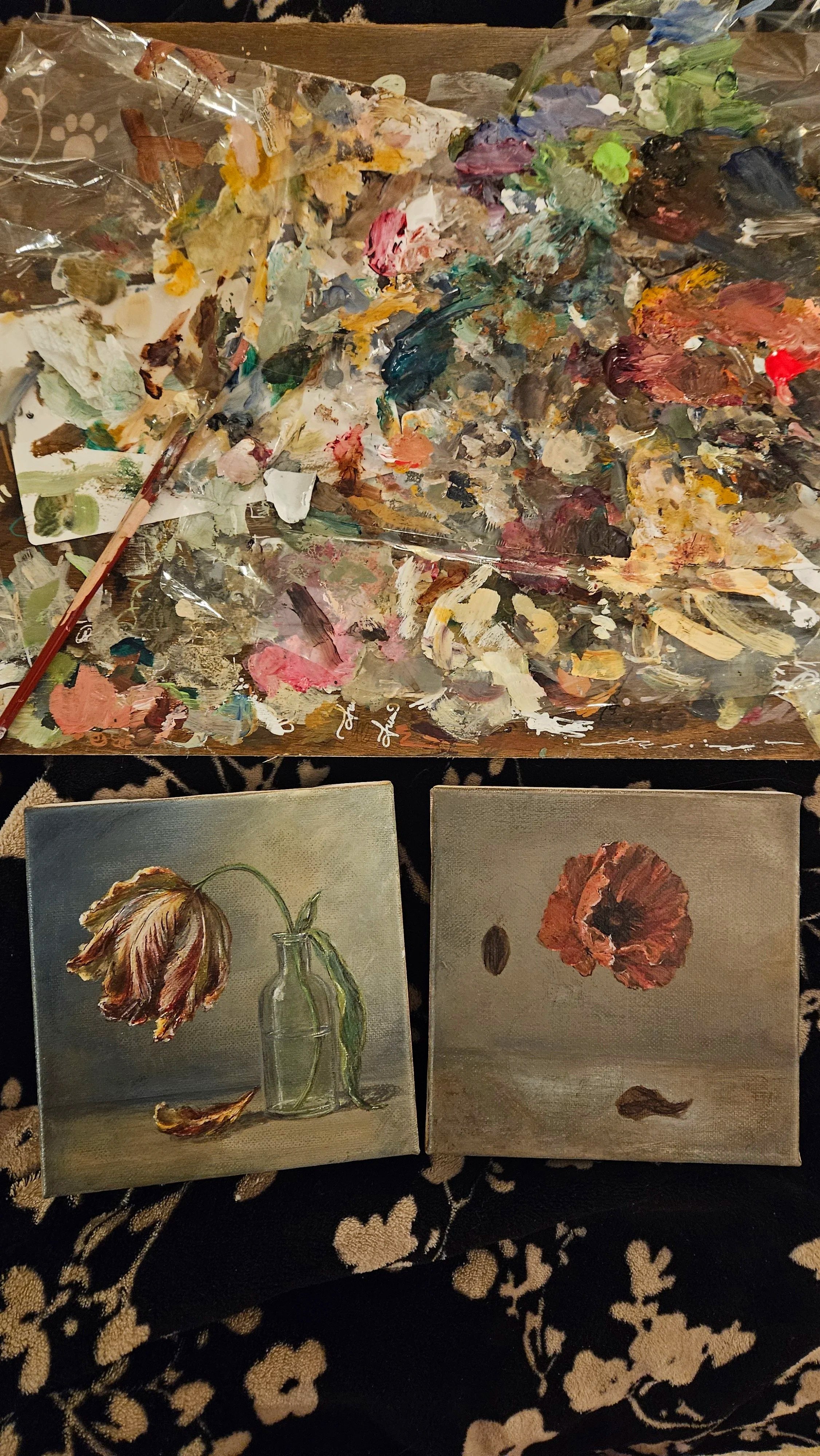
That journey reshaped the way I experienced and appreciated time like never before. I noticed everything that aged and weathered: flowers as they bowed beneath their own weight and began their quiet return, fruit marked by time, handmade vessels that carry the evidence of years of use as they held life. I clung to seeing everything as lives fully lived and still living, not declining. That nothing loses its worth because it has aged, broken, healed, softened, or reached the end of its season. The same is true of us and the vessel that is the body carrying our life, too. And then, I painted.
Working primarily in acrylic on birch panel, my focus is now still lifes informed and inspired by Old World, Dutch still life painting and East Asian aesthetics, particularly an appreciation for space, balance, and restraint. Each painting is an invitation to pause. To witness the quiet reverence of time, craftsmanship, memory, and the beauty found in every stage of life.
Thank you for being here,
Tressa
See a little about my process below.
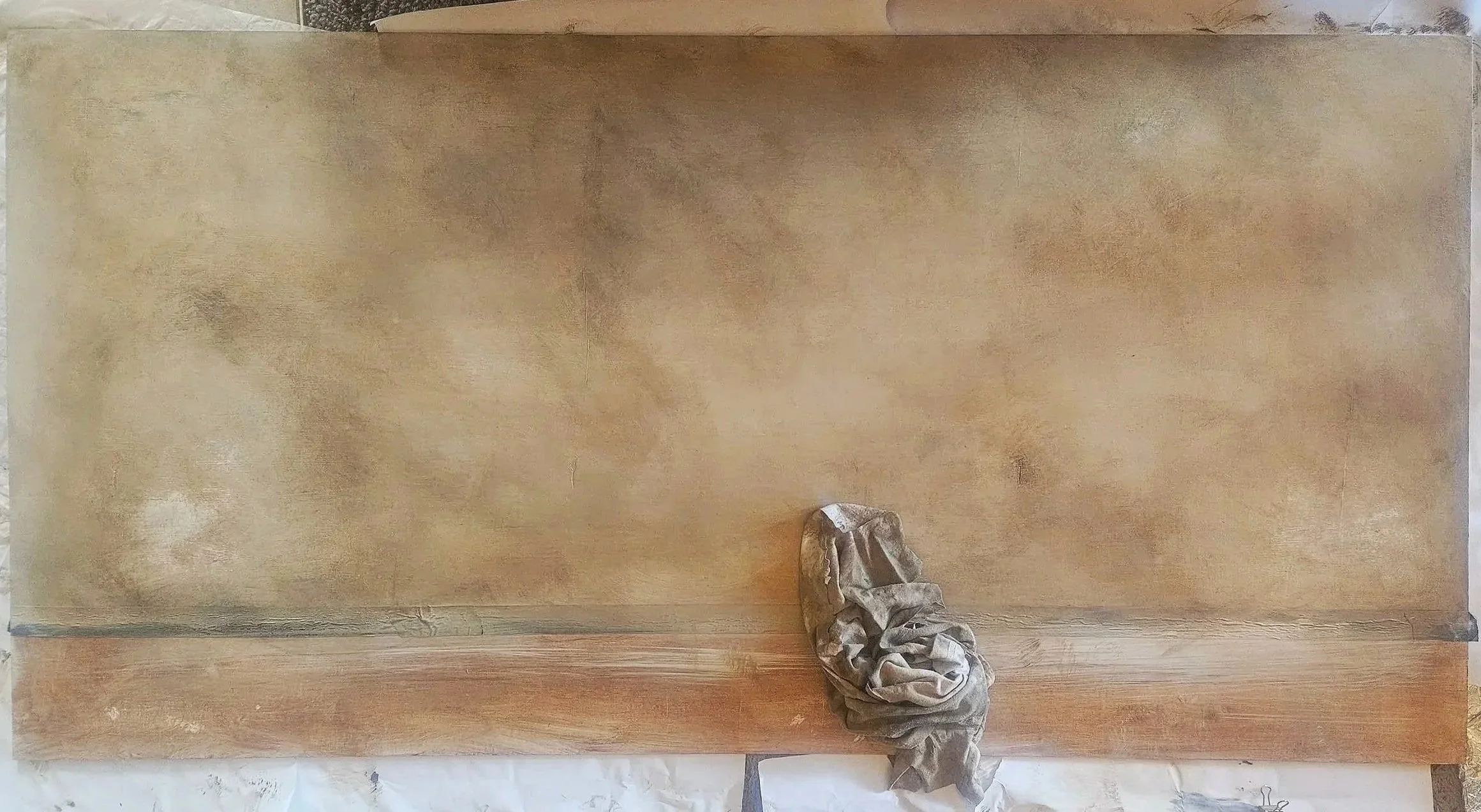
Process
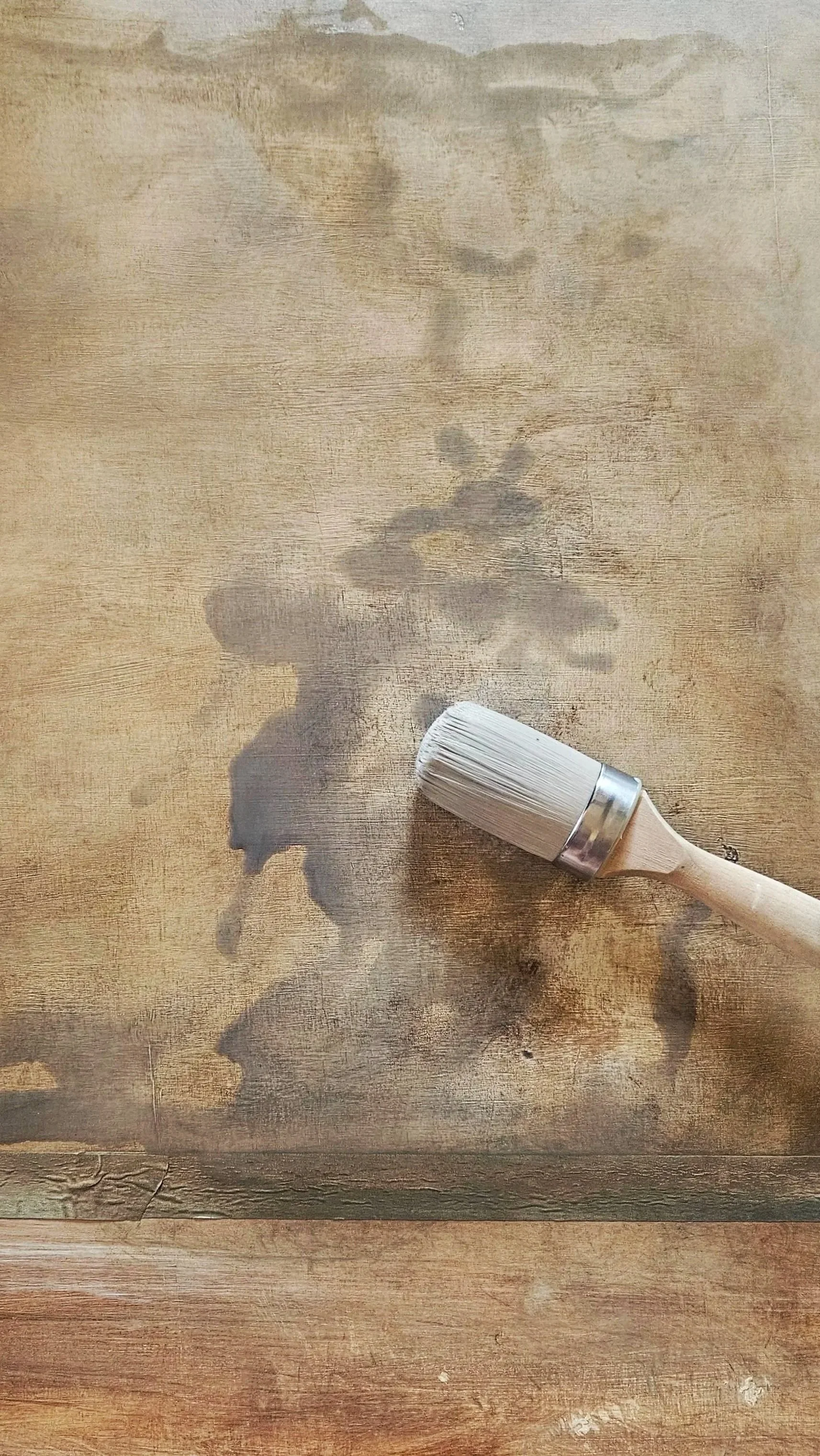
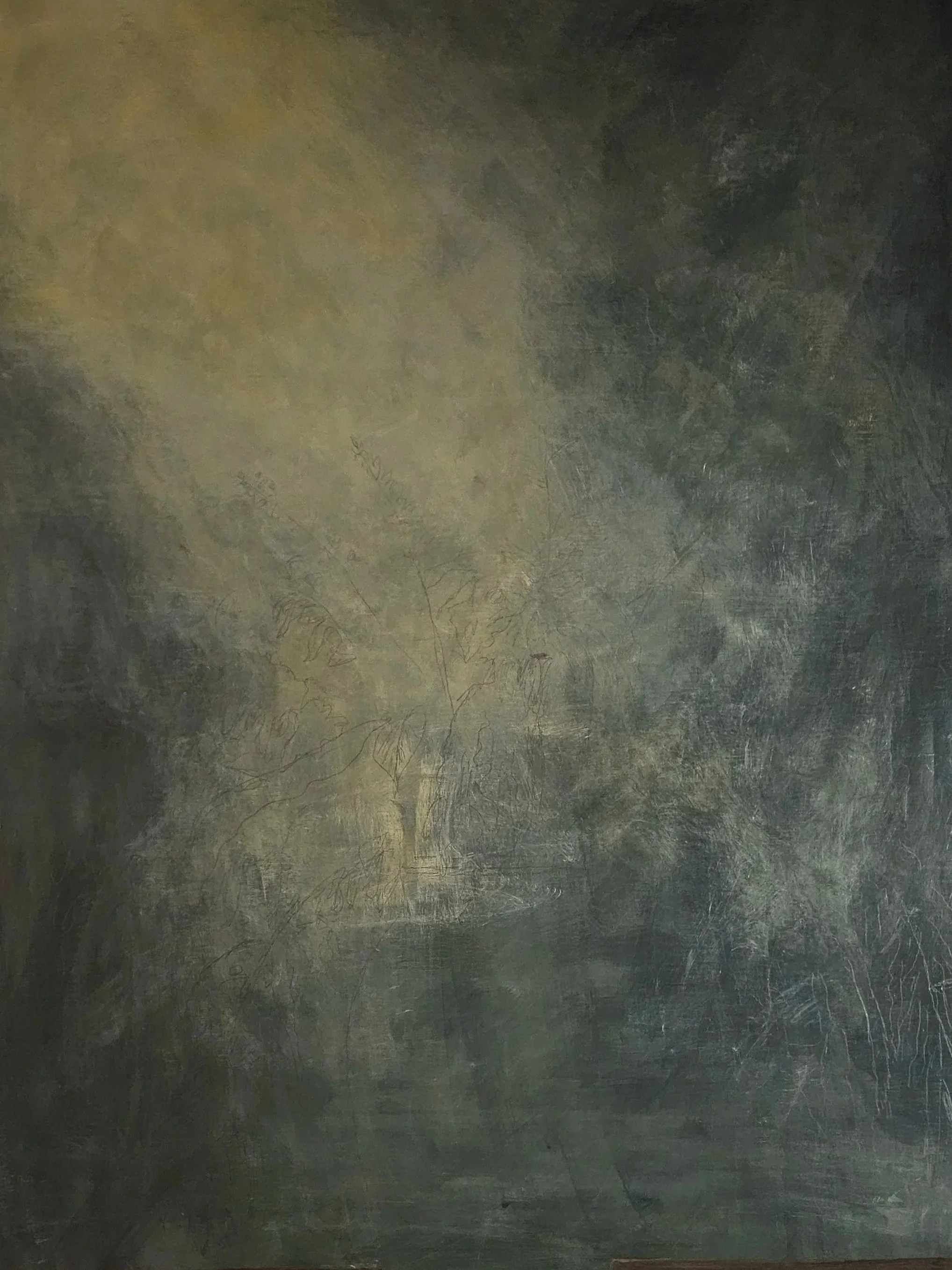
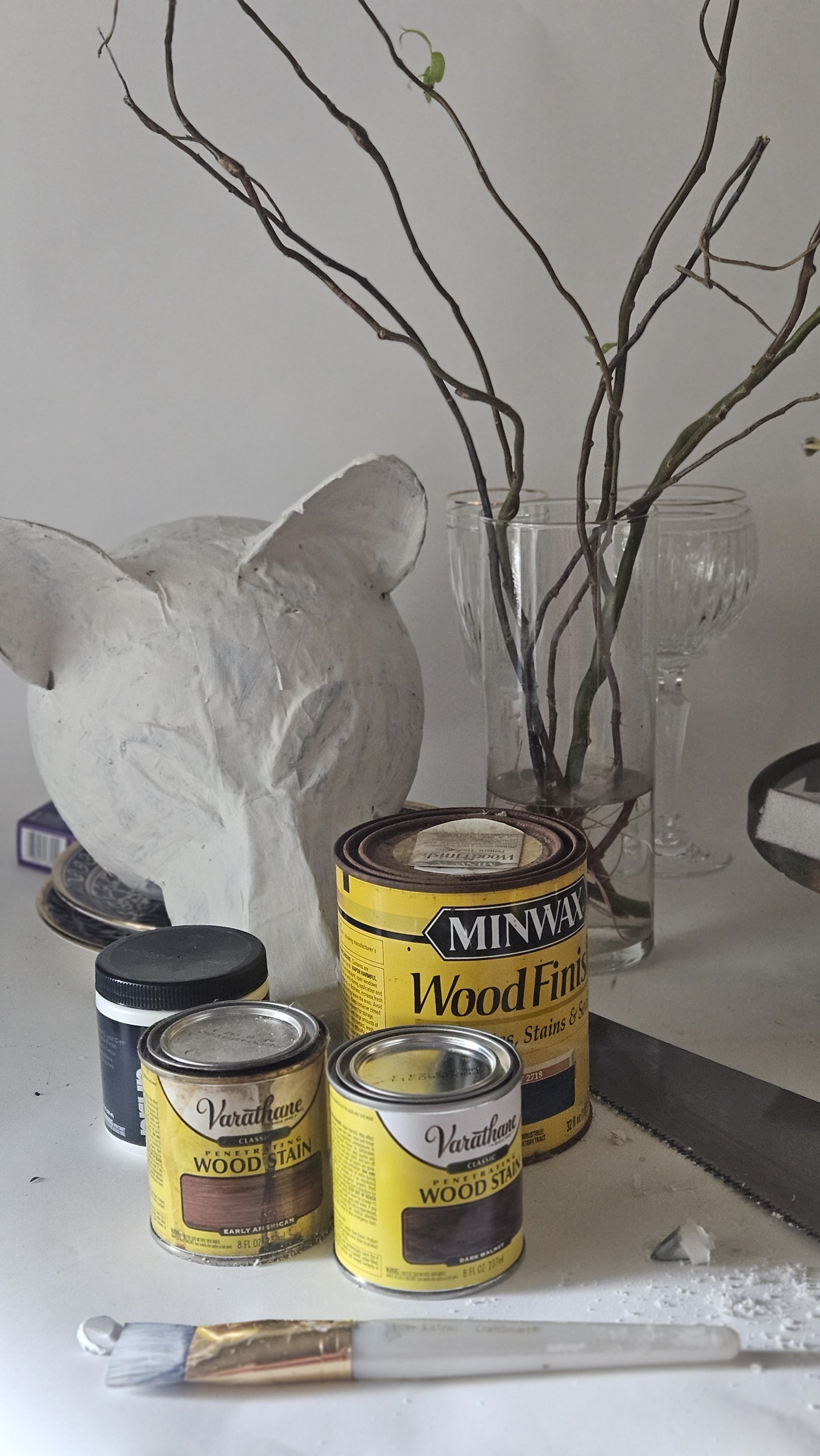
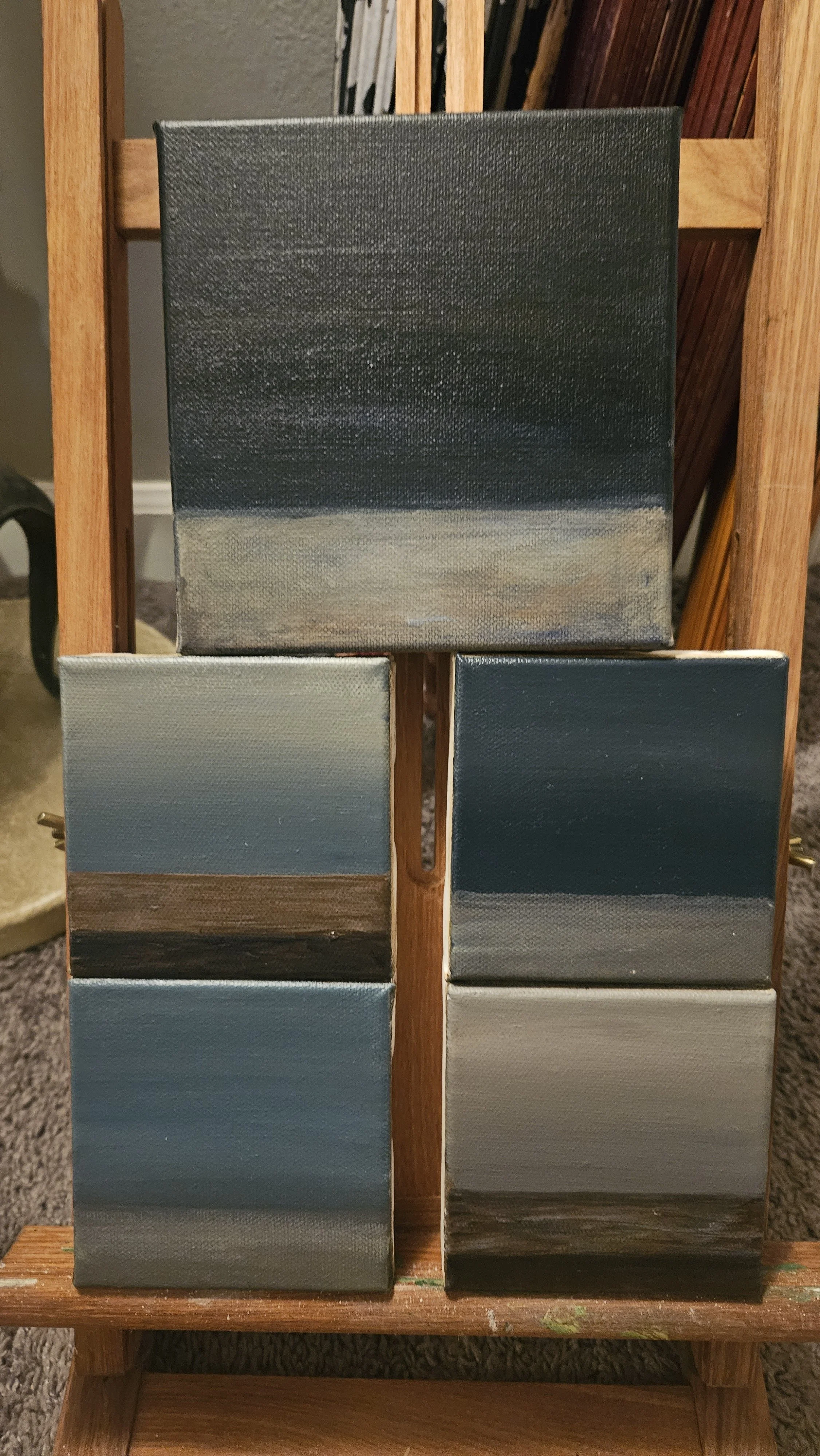
I begin each painting by cutting and preparing the birch panel myself. Over several days, I build the ground through layers of glazing, developing the tonal variation and patina of an aged plaster wall before the still life is ever painted.
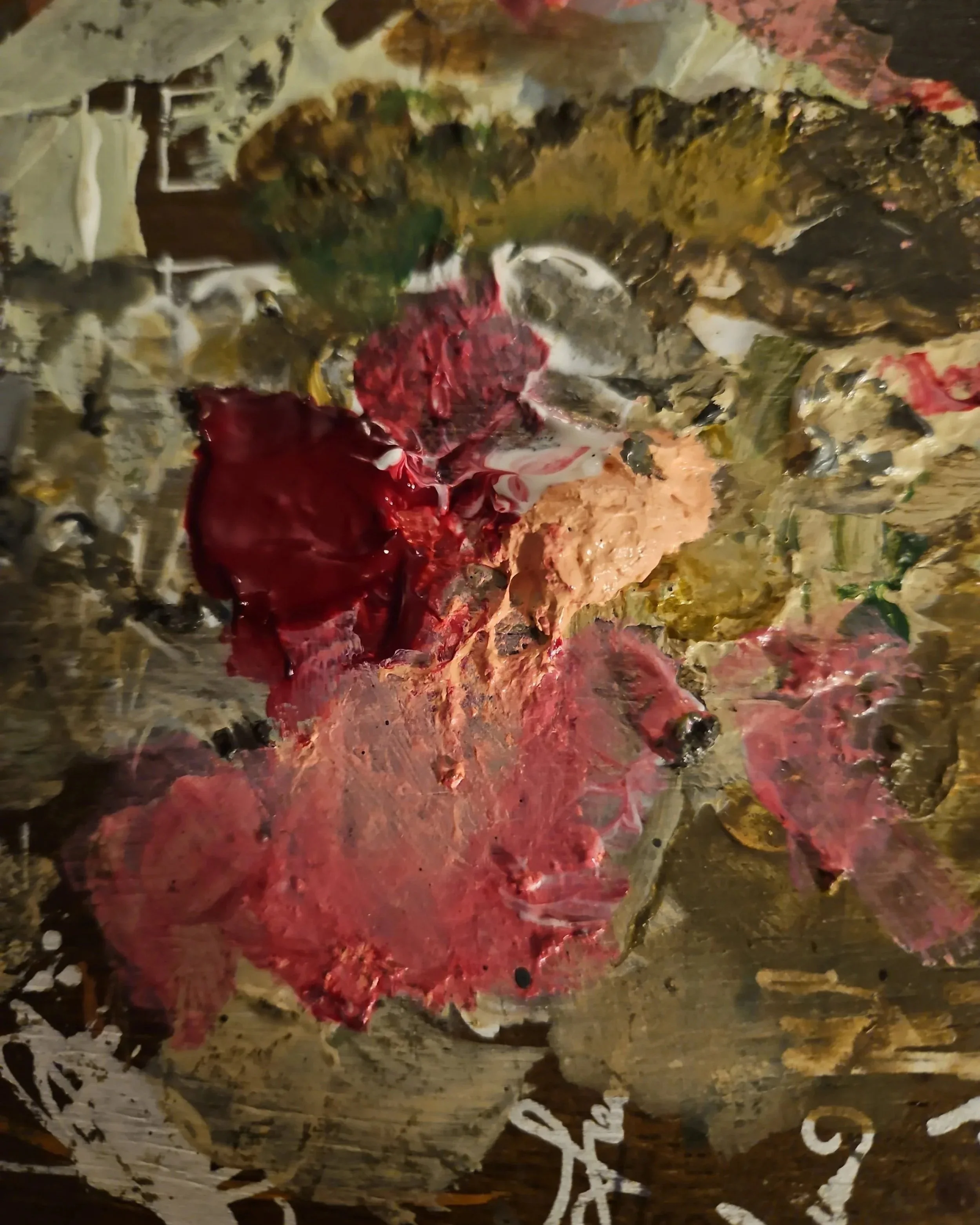
I work in acrylic, using a succession of layers and glazes to build depth, richness, and subtle shifts in color that change as different light moves across the surface. The finished paintings are often mistaken for oils, an effect of this layered glazing approach and part of what gives the work this Old World character.