
A Home Remembered, A Home Imagined
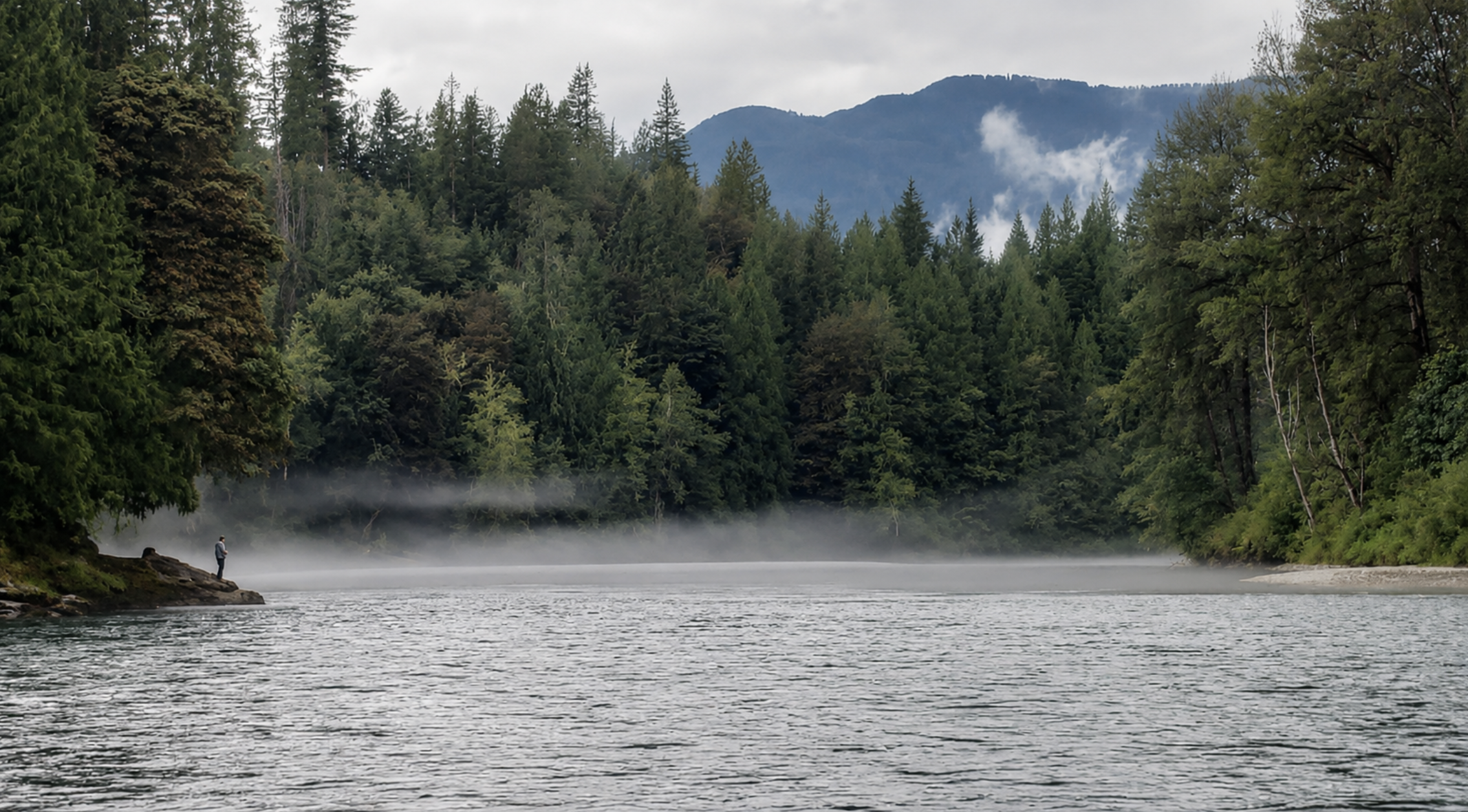
Skagit River — Cascade Mountains, Washington
I went to the North Cascades for a week and stayed for seven months.
It was the summer of 2020, and I was living in Upper Queen Anne, Seattle, while going back to school for design. The pandemic had shut much of the city down, internships and opportunities I had planned for the summer disappeared, political upheaval and riots were unfolding close to my home and school, and wildfire smoke had cloaked Seattle in a suffocating haze. There was so much uncertainty everywhere that I wanted, for a little while, to get out of the city and be near family.
So I packed for a week and drove north to visit my uncle at the farm where my father grew up.
While I was there, I told him about everything happening back home and how uncertain I was about what I would do with the summer now. He mentioned that the local diner was usually looking for good people and said he bet Sam, the owner, could use some help. So my uncle drove me down the road to Mondo Restaurant — a Korean/Amercian diner serving everything from Elk burgers to Yakisoba.
The town had a population of just over two hundred people. There was a gas station, a tiny market across the road where you could pick up a few groceries alongside hardware and other necessities, and at the time, only a couple of places open to eat. My uncle walked me into Mondo, I met Sam, and he asked me when I could start.
I started the next day.
My week-long visit became seven months.
Sam and his wife ran Mondo, and I spent that summer working at the restaurant six days a week, serving everything from elk burgers to yakisoba. It was such an unexpected departure from the life I had been living that sometimes it felt almost fictional. I had traded Seattle for this tiny town tucked into the North Cascades, where locals mixed with travelers passing through the mountains and everyone eventually seemed to find their way through the doors of Mondo.
When summer ended, I stayed at the farm and returned to school remotely.
Life moved differently there. I had coffee with cows in the morning. I took walks through the forest or down along the Skagit River. At night, my uncle and I would sit outside and talk about life beneath a sky so black from the absence of city light that the stars seemed impossibly close.
And there were blueberries.
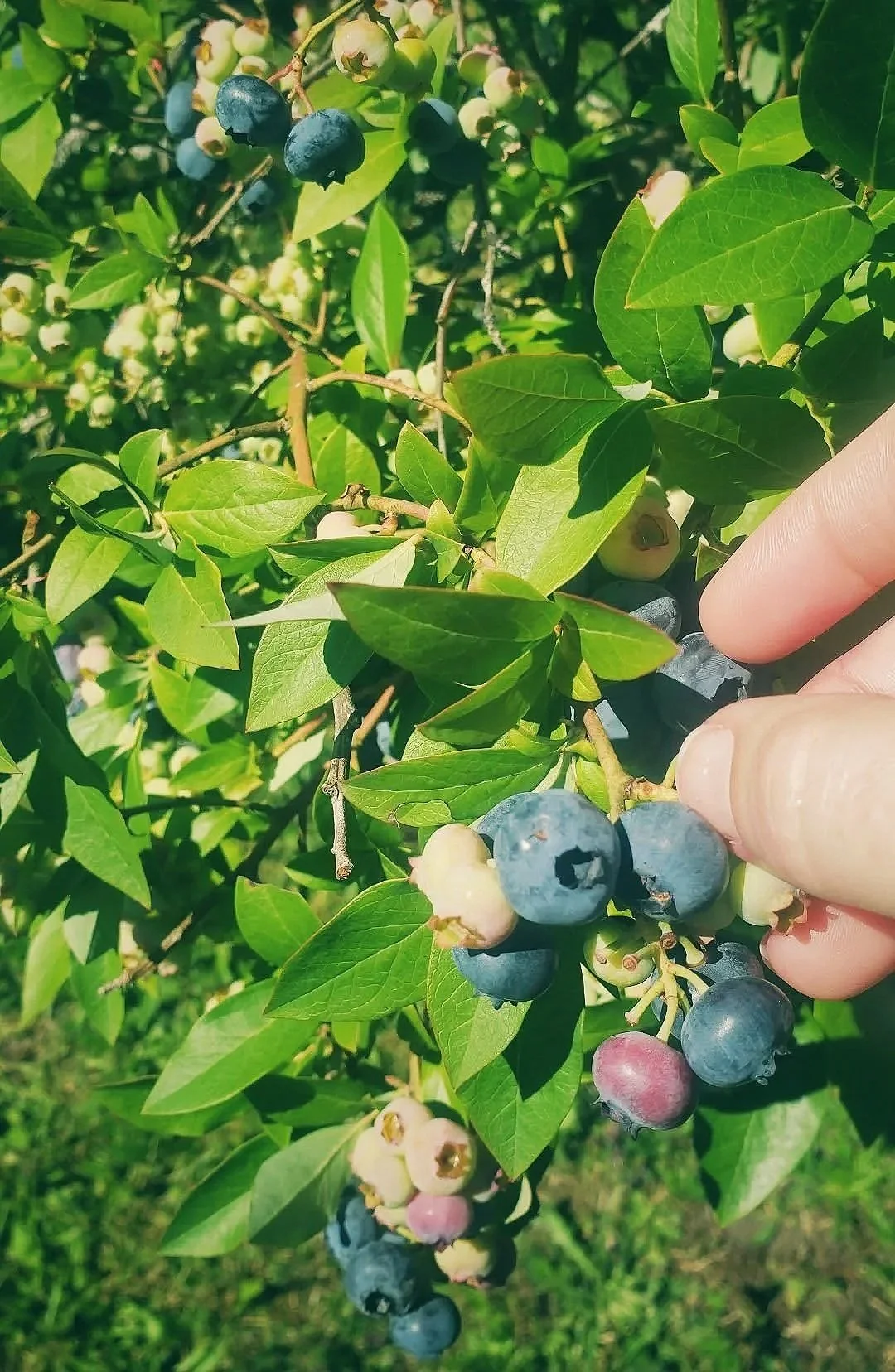
The house had belonged to my grandparents, and being there has always felt a little like stepping into a place that time forgot. So much of it remains unchanged. The same rooms, the same carpet, even the smell of the house is familiar. My father had been a child there. My grandparents had tended a large garden and blueberry bushes there. They have both since passed, and the garden itself is gone now, but the blueberry bushes remain.
That summer, I picked from them and carried the berries back into the house. I made blueberry pies in the same kitchen where my grandmother baked.
There is something profound to me about that. The people who planted something can be gone. A garden can disappear. A home can pass from one generation to another and the world beyond it can change almost beyond recognition. And still, some living thing they put into the earth can remain. Decades later, someone they loved can reach into its branches and gather what it gives.
Years later, when I began imagining Cascade Flora & Blueberries, I wasn't trying to recreate my grandmother's kitchen. I wanted to paint the feeling of an old kitchen, well-loved and lived in, a room that seemed to carry the memory of the people who had moved through it.
I imagined a long wooden worktop, worn and tactile. A galvanized pitcher that looked as though it had already lived a life before arriving in the painting. Flowers spilling loosely from it, poppies and amaranthus bowing succumbing to gravity. And sitting quietly on the counter, a bowl of blueberries.
I painted the objects at life scale. The pitcher is the size of a pitcher you could actually reach for. The blueberries are the size of the berries I once held in my hands. I wanted the painting to feel less like looking through a window and more like standing in front of a real counter, close enough that you might reach into it. But the kitchen I painted doesn't belong entirely to the past.
It is also the kitchen and studio I hope to have one day. Somewhere earthy and tactile, filled with things that have already lived a little. Somewhere I can bring flowers in from my own garden and grow food that eventually finds its way onto a worn wooden counter. A place that perhaps feels as though it has been there forever, even when it is new to me.
I think that is part of what made this painting so profound for me to make. It holds my father's childhood, my grandparents' garden, a strange and beautiful seven months I never intended to have, and a life I haven't lived yet.
At my first exhibition of this showing, I turned and saw a man standing in front of this piece and he had tears in his eyes. He told me he wanted to live inside this painting. It touched my heart so, that I ended up crying with him. We had a beautiful connection and he told me how important it was to continue to create, how it reaches people. This advice is for all of us.
Memory doesn't only pull us backward. Sometimes it gives shape to what we hope to carry forward.
Cascade Flora & Blueberries lives somewhere between the two: a home remembered and a home imagined, occupying the same space.